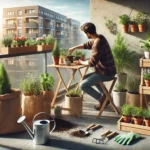

Gardening in small spaces can be just as rewarding as maintaining a large backyard—if not more. With the right techniques and tools, you can transform a balcony, patio, or even a windowsill into a lush, productive garden. Whether you live in a compact apartment or a cozy home with limited outdoor space, here are ten smart tips to help you grow a beautiful, thriving garden right where you are.
1. Choose the Right Plants for Small Spaces
Start by selecting plants that naturally thrive in compact environments. Herbs like basil, thyme, mint, and chives are perfect for window boxes or small pots. Leafy greens such as lettuce, spinach, and arugula also grow well in containers and don’t require deep soil. If you’re aiming for something decorative, succulents, ferns, and pothos are space-saving options with minimal care needs.
2. Use Vertical Space Wisely
When floor space is limited, look up! Vertical gardening is a game-changer for small spaces. Use wall-mounted planters, hanging baskets, stackable pots, or shelves to grow upward instead of outward. Trellises, ladders, and pallets can support climbing plants like peas, beans, or even flowering vines. Vertical gardens also create an impressive visual impact and add greenery to otherwise unused areas.
3. Invest in High-Quality Containers
Your containers are just as important as your plants. Choose pots that have proper drainage holes and are appropriately sized for the type of plant you’re growing. Lightweight materials like resin, plastic, or fabric grow bags are easier to move around in small areas. If you’re short on counter space, opt for railing planters or hanging pots to keep your floor clear.
4. Maximize Sunlight Exposure
Most plants need at least 4–6 hours of sunlight daily. Observe where the sun hits your space and position your plants accordingly. South-facing windows or balconies usually get the best light, but if your spot is shadier, choose plants that tolerate low light (like snake plants or philodendrons). Consider using mirrors or reflective surfaces to help bounce light onto your plants.
5. Start Composting—Even in Small Spaces
You don’t need a big backyard to compost. Small compost bins or worm composters (vermicomposting) can fit under your sink or in a corner of your kitchen. Composting your vegetable scraps and coffee grounds not only reduces waste but also creates nutrient-rich soil for your garden. It’s a sustainable and space-efficient practice.
6. Water Smartly
Overwatering is a common issue in small container gardens. To avoid soggy roots, ensure that your pots have good drainage and use well-aerated soil. Water slowly and only when the top inch of soil feels dry. Self-watering containers and drip irrigation kits are also great options for maintaining consistent moisture levels without wasting water.
7. Use Multi-Functional Furniture
Get creative with your space by incorporating garden-friendly furniture. Benches with built-in planters, fold-out garden tables, and stackable crates serve dual purposes—storage, seating, and gardening all in one. This is particularly helpful for balconies and patios where every inch counts.
8. Group Plants by Their Needs
Not all plants have the same requirements. Grouping them by water, sunlight, and soil preferences makes it easier to care for them and ensures healthier growth. For example, put all your sun-loving herbs together on the brightest windowsill and keep your low-light plants in the shade.
9. Rotate and Refresh Regularly
In a small garden, rotating crops and refreshing your soil is crucial. Every few months, switch out plants that are no longer thriving and add compost to revitalize the soil. This prevents nutrient depletion and keeps your garden vibrant throughout the seasons. Plus, rotating crops can reduce the risk of pests and disease buildup.
10. Keep It Minimal, but Meaningful
It’s easy to overdo it, especially when excited about gardening. However, too many plants in a small area can cause crowding, airflow issues, and make maintenance difficult. Focus on a few plants that you really enjoy or use regularly. A minimal garden that you care for well will always outperform a cluttered, neglected one.
Make Every Inch Count
Small space gardening is all about creativity, observation, and thoughtful choices. With just a little effort and planning, your tiny space can blossom into a green sanctuary that provides beauty, joy, and even fresh food. Whether you’re growing herbs on a windowsill or turning your patio into a green haven, the possibilities are endless when you think smart.