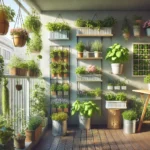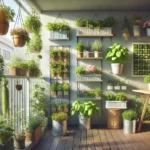

Creating a balcony garden from scratch is one of the most rewarding ways to bring nature into your home, even if you live in the middle of a bustling city. With a bit of creativity, planning, and patience, your balcony can be transformed into a green oasis—perfect for growing herbs, vegetables, flowers, or simply adding some life to your space.
Here’s a step-by-step guide to help you start your balcony garden from the ground up.
1. Evaluate Your Balcony Space
Before buying any plants or containers, spend some time observing your balcony. Ask yourself:
- How much sunlight does it get per day?
- Is it windy or sheltered?
- How much space do you actually have for pots and planters?
- Is the flooring suitable for gardening (e.g., waterproof or easy to clean)?
These observations will determine what types of plants you can grow and how to organize your garden.
2. Know Your Light Conditions
Sunlight is crucial for plant health, and different plants need different amounts. Identify your balcony’s direction:
- South-facing: Best for sun-loving vegetables and herbs.
- East-facing: Morning sun, great for leafy greens and some flowers.
- West-facing: Intense afternoon sun; good for tough plants like rosemary and tomatoes.
- North-facing: Low light; stick to shade-tolerant plants like ferns, ivy, and peace lilies.
If your balcony doesn’t get much light, consider using grow lights to supplement.
3. Decide What You Want to Grow
Think about your goals: Do you want to grow food, flowers, or just add greenery?
Easy Edibles:
- Herbs (basil, parsley, mint)
- Lettuce and spinach
- Cherry tomatoes
- Peppers
- Strawberries
Great for Visual Appeal:
- Petunias, pansies, or geraniums
- Succulents and cacti
- Ferns and ornamental grasses
Start with a few low-maintenance plants to build confidence and experience.
4. Choose the Right Containers
Containers are essential for balcony gardening. They come in all shapes and sizes—plastic, ceramic, terracotta, fabric grow bags, even upcycled items.
Key tips:
- Make sure all containers have drainage holes.
- Use lightweight materials if your balcony has weight limits.
- Consider railing planters, vertical stands, or hanging baskets to save floor space.
5. Select the Right Soil and Fertilizer
Never use garden soil directly—it’s too heavy and may not drain well in containers. Instead, use high-quality potting mix designed for container gardening.
Also:
- Add slow-release fertilizer or compost to enrich the soil.
- Consider specialized mixes for succulents or vegetables depending on what you grow.
6. Plan the Layout
Sketch out a rough design of where each plant and container will go. Keep these things in mind:
- Group plants with similar water/sun needs.
- Place taller plants at the back or sides.
- Use shelving units or vertical racks for small pots.
- Leave walking space for easy access and maintenance.
A well-thought-out layout will make your balcony garden not only beautiful but also functional.
7. Watering and Drainage
Watering is different on balconies than in ground gardens. Containers dry out faster, especially in the sun or wind.
Helpful watering tips:
- Water early in the morning or late in the evening to prevent evaporation.
- Use a watering can with a long spout for hard-to-reach pots.
- Add trays under pots to catch excess water—but don’t let roots sit in water.
Self-watering pots or a simple drip irrigation system can help maintain moisture levels.
8. Add Personal Touches
Your balcony garden should reflect your personality. Here are some ideas:
- String lights or lanterns for ambiance.
- A small table and chair set for relaxing.
- DIY garden signs or plant labels.
- Recycled containers for an eco-friendly vibe.
Even a small green corner can feel like a mini retreat when you personalize it.
9. Keep Pests Under Control
Urban balconies aren’t immune to pests. Keep your garden healthy by:
- Inspecting leaves regularly for insects.
- Using natural repellents like neem oil or soapy water spray.
- Keeping plants clean and free of dead leaves or debris.
Healthy, well-cared-for plants are less likely to attract infestations.
10. Be Patient and Consistent
Gardening is a journey, not a one-time event. Take time each day or week to tend to your plants, learn from mistakes, and celebrate small victories—like your first sprouting seed or blooming flower.
Over time, your balcony garden will flourish into a space full of life, color, and maybe even your own food supply!
Your Urban Garden Starts Today
No matter the size of your balcony or your experience level, you can build a thriving garden from scratch. With the right approach, even the smallest space can bloom into something special. Start simple, stay consistent, and let nature do the rest.