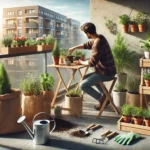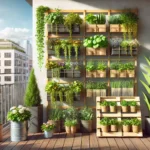
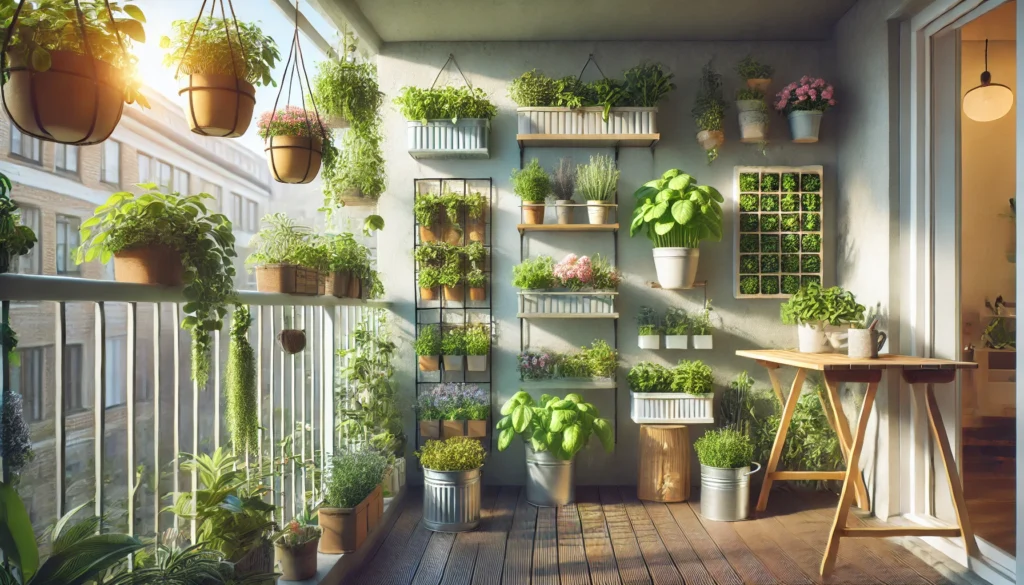
Container gardening is one of the easiest and most flexible ways to grow your own vegetables, especially if you’re working with limited space like a balcony, patio, or small yard. Whether you’re a beginner or an experienced gardener looking for convenience, container gardening lets you cultivate fresh, healthy produce right outside your door—or even inside your home.
But not all vegetables thrive in pots. Some need more root space, sunlight, or specific care than others. Below is a curated list of the best vegetables to grow in containers, along with practical tips to help you get started and succeed.
1. Tomatoes
Why they’re great for containers:
Tomatoes are one of the most popular container vegetables—and for good reason. They’re productive, delicious, and available in many compact varieties, like cherry or patio tomatoes.
Tips:
- Choose determinate (bush) varieties for small spaces.
- Use a deep container (at least 5 gallons).
- Provide a support cage or stake.
- Place in full sun (6-8 hours daily).
2. Lettuce and Leafy Greens
Why they’re great:
Lettuce, spinach, arugula, kale, and other leafy greens grow quickly and don’t require deep soil, making them perfect for shallow containers or window boxes.
Tips:
- Use wide, shallow pots (6–8 inches deep).
- Sow seeds every 2–3 weeks for continuous harvests.
- Partial sun is okay—great for balconies with limited light.
3. Radishes
Why they’re great:
Radishes are one of the fastest-growing vegetables, often ready to harvest in less than a month. They thrive in small containers and are perfect for impatient gardeners.
Tips:
- Choose a container that’s at least 6 inches deep.
- Keep the soil evenly moist.
- Sow seeds directly—no transplanting needed.
4. Peppers (Bell & Chili)
Why they’re great:
Peppers love heat and sunlight, and they adapt well to pots. Plus, they’re visually appealing with their colorful fruits.
Tips:
- Use containers 12 inches or larger.
- Keep in a warm, sunny spot.
- Add stakes for support as they grow.
5. Green Beans
Why they’re great:
Both bush and pole varieties grow well in containers. They’re productive and fun to harvest.
Tips:
- Use a pot at least 12 inches deep.
- Pole beans need a trellis or vertical support.
- Harvest regularly to encourage more production.
6. Carrots
Why they’re great:
Carrots are a surprising container success—just make sure your container is deep enough for the variety you choose.
Tips:
- Use deep pots (at least 12 inches).
- Choose shorter carrot types like ‘Thumbelina’ or ‘Parisian’.
- Keep soil loose and rock-free for straight roots.
7. Cucumbers
Why they’re great:
Cucumbers grow fast and can climb, making them ideal for vertical gardening in pots.
Tips:
- Use a 5-gallon container.
- Install a trellis for vine support.
- Keep the soil moist and fertilize regularly.
8. Beets
Why they’re great:
You get double the harvest: beet roots and beet greens. They don’t need a huge pot but do like room to spread out.
Tips:
- Use containers 10–12 inches deep.
- Thin seedlings to give each root room to grow.
- Harvest greens early for salads.
9. Zucchini (Compact Varieties)
Why they’re great:
Zucchini is very productive, even in pots, if you choose compact or bush varieties.
Tips:
- Large container (at least 24 inches wide).
- Lots of sun and consistent water.
- Watch for powdery mildew—good airflow helps.
10. Green Onions (Scallions)
Why they’re great:
Green onions are low-maintenance, grow quickly, and are perfect for cutting and regrowing.
Tips:
- Shallow containers work fine.
- Plant densely for lots of harvests.
- Snip greens and let them regrow.
Bonus: Herbs That Pair Well With Your Veggies
Adding herbs like basil, cilantro, or parsley to your container garden can enhance your cooking and even help repel pests from your veggies. Many herbs grow in the same conditions and containers as vegetables, making them a great companion.
Essential Container Gardening Tips
- Drainage is key: Always use pots with holes in the bottom.
- Use quality potting mix: Don’t use garden soil in containers.
- Feed your plants: Veggies need nutrients—use compost or organic fertilizers.
- Water consistently: Container soil dries out faster than in-ground gardens.
- Rotate crops: Prevent soil fatigue and disease by changing plant types seasonally.
Grow Big in Small Spaces
You don’t need a backyard to enjoy fresh, homegrown vegetables. With the right containers, a little sun, and some care, you can harvest a satisfying crop of veggies right from your patio, balcony, or even your kitchen. Start with a few of these easy-grow options, and you’ll be hooked on container gardening in no time.