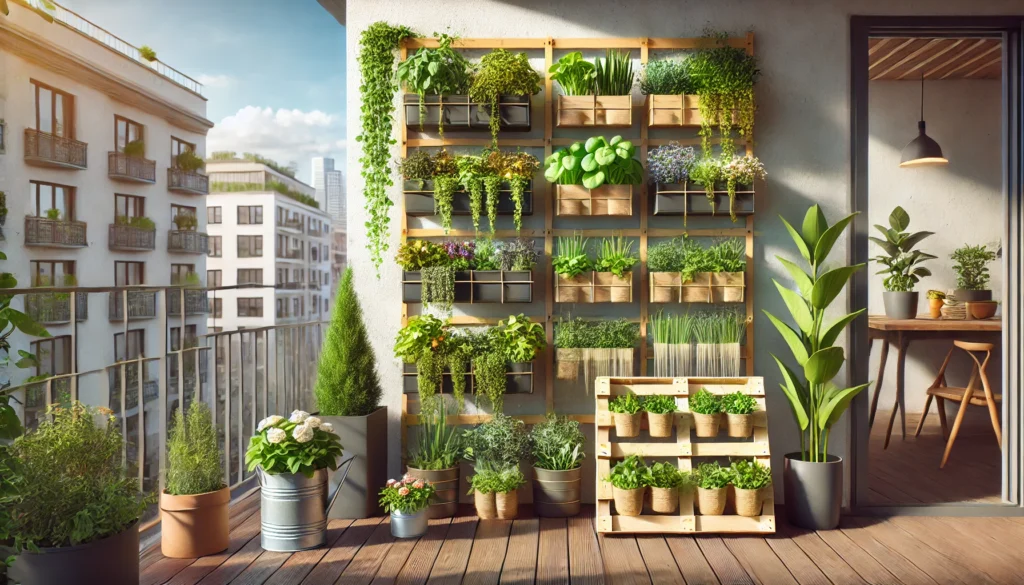
Living in a small apartment or home doesn’t mean you have to give up your dreams of gardening. In fact, vertical gardening is the perfect solution for plant lovers with limited floor space. It’s a smart, space-saving way to grow everything from herbs and vegetables to decorative flowers and vines—right on your balcony, patio, or even a blank wall inside your home.
Whether you’re new to gardening or simply want to expand your green space upward, this guide will walk you through the essentials of getting started with vertical gardening.
1. What Is Vertical Gardening?
Vertical gardening is a technique where plants grow upward instead of outward. Instead of planting directly in the ground, vertical gardens use walls, structures, or systems like hanging planters and trellises to support plant growth. It’s ideal for small areas, urban environments, or anyone who wants to make the most of unused vertical space.
2. Why Choose Vertical Gardening?
Here are some of the main benefits:
- Saves space: Perfect for balconies, patios, and indoor areas.
- Improves air circulation: Helps reduce plant diseases and rot.
- Easier to manage: Less bending and kneeling compared to ground gardens.
- Visually appealing: Adds life and design to blank walls or fences.
- Maximizes sunlight: Plants are positioned to catch more light.
- Expands growing capacity: Grow more plants in less square footage.
3. Best Places for a Vertical Garden
Vertical gardens can be placed almost anywhere with decent light and airflow. Great locations include:
- Apartment balconies
- Indoor walls near sunny windows
- Fences or exterior walls
- Garden sheds
- Hallways or entryways with good lighting
- Patios and porches
If indoors, make sure the wall is moisture-safe and can support the weight of your plants and planters.
4. Types of Vertical Gardening Systems
Here are some popular methods to get you started:
• Trellises and Arbors
Great for climbing vegetables like beans, peas, and cucumbers.
• Hanging Planters and Baskets
Ideal for herbs, strawberries, trailing flowers, and even small greens.
• Wall Planters or Pocket Planters
Perfect for herbs, succulents, and small decorative plants. Fabric wall planters work great indoors.
• Stacked Pots or Tiered Stands
These systems use a vertical column of pots. Excellent for a mix of herbs, flowers, and edibles.
• Pallet Gardens
A budget-friendly DIY option made from repurposed wooden pallets with planting pockets.
• Gutter Gardens
Mounted horizontally, old gutters can be repurposed as containers for lettuce, spinach, or strawberries.
5. Best Plants for Vertical Gardening
While you can grow many types of plants vertically, here are some beginner-friendly options:
Herbs:
- Basil
- Parsley
- Mint (keep it in its own container—spreads fast)
- Oregano
- Thyme
Vegetables:
- Cherry tomatoes
- Peas
- Pole beans
- Lettuce
- Spinach
Flowers:
- Petunias
- Nasturtiums
- Morning glories
- Pansies
Others:
- Strawberries
- Succulents (for dry, sunny areas)
- Ferns (for shady, moist spots)
6. Choosing the Right Containers and Materials
- Use lightweight pots and planters with good drainage.
- Ensure wall-mounted systems are securely fastened.
- If using fabric planters, check that they allow airflow but hold moisture well.
- Choose potting mix, not garden soil, to ensure proper drainage and nutrient content.
Pro tip: Add a bit of compost or slow-release organic fertilizer to help your plants thrive in small vertical spaces.
7. Watering Tips for Vertical Gardens
Watering a vertical garden can be tricky due to gravity pulling moisture downward. Here’s how to manage it:
- Top-down watering: Water from the top, allowing excess to filter down.
- Drip irrigation: Install a drip system for consistent moisture.
- Self-watering containers: Especially helpful for indoor vertical gardens.
- Regular checks: Top tiers may dry out faster—check daily in hot weather.
8. How to Build a Simple DIY Vertical Garden
Want to start small? Here’s a beginner project:
Materials:
- A wooden pallet
- Landscape fabric
- Staple gun
- Potting mix
- Small plants or seedlings
Steps:
- Staple landscape fabric to the back and bottom of the pallet.
- Fill the planting pockets with potting mix.
- Add your plants.
- Lean the pallet against a wall or fence.
This project takes an afternoon and adds instant charm to your space!
9. Maintenance and Care
- Prune regularly to keep plants healthy and contained.
- Fertilize monthly with a diluted liquid fertilizer or compost tea.
- Watch for pests, especially in tight spaces where airflow is limited.
- Rotate plants seasonally to keep your garden fresh and productive.
Vertical gardens may look tidy, but they still need care—water, feeding, trimming, and some love!
Reach New Heights With Vertical Gardening
Vertical gardening is more than just a trend—it’s a smart, beautiful way to green up your home, especially when space is limited. Whether you’re growing fresh herbs in your kitchen or climbing vines on your balcony, vertical gardens offer endless possibilities for creativity and productivity.
Start simple, experiment with different systems, and let your garden grow up!